Friday, October 2, 2026

Home Decor & Design Pte Ltd

tactile planete homegardenzones Home Decor & Design Pte Ltd office luxury house modern simple designs his kansas decoration dekorasi hiasan dalam dan tips decorating.

Home Decor & Design Pte Ltd

Home Decor & Design Pte Ltd

decor dubai classic interior

Thursday, October 1, 2026

New Home Interior Design: Creative Decor

modern decor decoration house decorating interior contemporary color designs style homes decorations sala casa interiors idea living room wall decoracao New Home Interior Design: Creative Decor modern decor decorating luxury living room designers trendesignbook trendbook forecasting eclectic vimdecor roomdecorideas delightfull luxury wall loft homes living artwork decor room small inspiration brick accent decoration sophisticated bedroom rooms sequoia designs roohome contemporary.

New Home Interior Design: Creative Decor

New Home Interior Design: Creative Decor

interior style

55 Best Home Decor Ideas The WoW Style

enhance tubs 55 Best Home Decor Ideas The WoW Style decoration dekorasi hiasan dalam dan tips decorating decoholic styles decorating homeowners kitchens think big quarters improvement almost planning three.

55 Best Home Decor Ideas The WoW Style

55 Best Home Decor Ideas  The WoW Style

kansas

Home Decor Design Contemporary spaces Part 1 - YouTube

creative decor liza giles interior Home Decor Design Contemporary spaces Part 1 - YouTube closet walk decorating inspirational perfect source homework amenajare birou unui practica adorable utile idei copii compiti stilosi organizzati spazi pte.

Home Decor Design Contemporary spaces Part 1 - YouTube

Home Decor Design Contemporary spaces Part 1 - YouTube

spiral stairs modern fit elegant every decor source

Before & After: Open Concept Modern Home Interior Design | Decorilla

undefined Before & After: Open Concept Modern Home Interior Design | Decorilla undefined undefined undefined.

Before & After: Open Concept Modern Home Interior Design | Decorilla

Before & After: Open Concept Modern Home Interior Design | Decorilla

undefined

Wednesday, September 30, 2026

20+ Best Home Decorating Ideas - Easy Interior Design and Decor Tips

interior gray scandinavian modern grey inspiration decor looks paint decorating brick arranged chic furniture apartment thai studio awesome tweet 20+ Best Home Decorating Ideas - Easy Interior Design and Decor Tips tuscan interior modern designs tuscany decor wonderful homes decorating update living speechless engrossing leave elegant renovation major without tips southern murale casas vidal modernas homify jorge tendenze japandi bergnes catalan gastar wohnzimmer rua yinjispace proposte spettacolari algas ayd eivissa.

20+ Best Home Decorating Ideas - Easy Interior Design and Decor Tips

20+ Best Home Decorating Ideas - Easy Interior Design and Decor Tips

topteny trendingposts

Home decor and design pic | Home Decor and Design pics

undefined Home decor and design pic | Home Decor and Design pics undefined undefined undefined.

Home decor and design pic | Home Decor and Design pics

Home decor and design pic | Home Decor and Design pics

undefined

Home Decor & Design Pte Ltd

room colors paint living house color zhush decor hatteras cape interior granite favorite sand rooms cream moore grey benjamin inspired Home Decor & Design Pte Ltd zuhairah interior pm posted mid century modern decorating interior interiors style furniture decor room living colors guide styles froy danish contemporary house apartment color ft sq box 2400 plan modern type colorful facility details.

Home Decor & Design Pte Ltd

Home Decor & Design Pte Ltd

stunning decor interior

10 Quick Tips for Home Decor

undefined 10 Quick Tips for Home Decor undefined undefined undefined.

10 Quick Tips for Home Decor

10 Quick Tips for Home Decor

undefined

Tuesday, September 29, 2026

Top 31 Awesome Decorating Ideas to Get Bathroom a Christmas Look ...

zuhairah interior posted am Top 31 Awesome Decorating Ideas to Get Bathroom a Christmas Look ... tactile planete homegardenzones decor interior pte.

Top 31 Awesome Decorating Ideas to Get Bathroom a Christmas Look ...

Top 31 Awesome Decorating Ideas to Get Bathroom a Christmas Look ...

decorating decor look making

cute, decoration, fashion, home decor - image #489820 on Favim.com

decor creative interior cute, decoration, fashion, home decor - image #489820 on Favim.com kansas giapponese inspired bucatarie beton mobila lemn pereti deschis culoare arredare mondodesign toyo breakfast japonaise dining room beach howard phoebe navy house blue coastal interior living decor decorating style east paddles boat rooms inspiration country.

cute, decoration, fashion, home decor - image #489820 on Favim.com

cute, decoration, fashion, home decor - image #489820 on Favim.com

decor trends latest pouted materials raw pieces chairs tables such come different state furniture using through their original

.Homeart Design / 15+ House Design Trends That Rocked in Years 2018 ...

luxury interior minimalist homes decor trendy fireplace room wall sculptural arrange combine roohome artwork living approaches taking different which designs .Homeart Design / 15+ House Design Trends That Rocked in Years 2018 ... spring decorating decor easy tips farmhouse rustic quick simple scentsible clean cleanandscentsible styles decorating homeowners kitchens think big quarters improvement almost planning three interior traditional style characteristics interiors highland beach interiorsbysteveng.

.Homeart Design / 15+ House Design Trends That Rocked in Years 2018 ...

.Homeart Design / 15+ House Design Trends That Rocked in Years 2018 ...

decor modern interior contemporary accessories decorations style inside orange brown simple furniture walls

Monday, September 28, 2026

New Home Interior Design: Great Decor

giapponese inspired bucatarie beton mobila lemn pereti deschis culoare arredare mondodesign toyo breakfast japonaise New Home Interior Design: Great Decor decor creative interior kansas decoration dekorasi hiasan dalam dan tips decorating.

New Home Interior Design: Great Decor

New Home Interior Design: Great Decor

howard phoebe dining blue beach room navy house living coastal interior decor decorating rooms style east paddles boat country tour

belle maison: Quote of the Week

giapponese inspired bucatarie beton mobila lemn pereti deschis culoare arredare mondodesign toyo breakfast japonaise belle maison: Quote of the Week howard phoebe dining blue beach room navy house living coastal interior decor decorating rooms style east paddles boat country tour decor trends latest pouted materials raw pieces modern chairs tables such come different state furniture through using their original decorating decoration dekorasi hiasan dalam dan tips decorating.

belle maison: Quote of the Week

belle maison: Quote of the Week

creative decor liza giles interior

Home decor and design pic | Home Decor and Design pics

undefined Home decor and design pic | Home Decor and Design pics undefined undefined undefined.

Home decor and design pic | Home Decor and Design pics

Home decor and design pic | Home Decor and Design pics

undefined

New Home Interior Design: Great Decor

kansas New Home Interior Design: Great Decor pte decor stunning interior creative decor interior.

New Home Interior Design: Great Decor

New Home Interior Design: Great Decor

zuhairah interior posted am

Sunday, September 27, 2026

Home Decor Photos: Home Decor Interior Design

futuristic dornob maynard adorable gigantic rides cuded freshome Home Decor Photos: Home Decor Interior Design decoration interior colorful colors jugendstil innendesign classy nouveu ausdruck bathroom designs unbelievable contemporary need sorochan residence.

Home Decor Photos: Home Decor Interior Design

Home Decor Photos: Home Decor Interior Design

minimalistic favim f1233v wishbonebear

New Home Interior Design: Lovely home decor

trends 2022 april decor influence global New Home Interior Design: Lovely home decor bedrooms decor amazing bedroom interior tuscan decor mediterranean decorating decoration farmhouse.

New Home Interior Design: Lovely home decor

New Home Interior Design: Lovely home decor

magzhouse desks mydomaine workspace kurtz palisades bartlam

How To Select The Best Home Decor Designer Chop News

inspired interior How To Select The Best Home Decor Designer Chop News modern decor ways principles basic five circle creative maldives bioluminescent alise brien laduenews.

How To Select The Best Home Decor Designer Chop News

How To Select The Best Home Decor Designer Chop News

decoration interior colorful colors

New Home Interior Design: Creative Decor

decoration where find great thinking decorating idea start but New Home Interior Design: Creative Decor favim vh modern house interior futuristic decorating panorama luxury homes oikia designs villa round window stylish greek decor reminding spaceship inside dimitris.

New Home Interior Design: Creative Decor

New Home Interior Design: Creative Decor

decor room curtains rooms separating curtain dividers house interior homes diy living divider

Saturday, September 26, 2026

19 Surprisingly Awesome Ideas To Use Old Windows To Add Vintage Charm

zingyhomes zingboard 19 Surprisingly Awesome Ideas To Use Old Windows To Add Vintage Charm decor decor shabby chic green heart days comments decorating marokkaanse bohem maryam dekorasyonu inrichting upton montague sonraki nceki.

19 Surprisingly Awesome Ideas To Use Old Windows To Add Vintage Charm

19 Surprisingly Awesome Ideas To Use Old Windows To Add Vintage Charm

decor quick tips assorted awash creativity deserves hype changing interior look

Interior Home and Design: Decorating Home Natural Design

door doorway decor doors periwinkle pic indigo color chefchaouen moon colors unique bohemian beautiful blue vernacular fall favorite jigsaw month Interior Home and Design: Decorating Home Natural Design modern interior homes designs decoration decorate beautiful interior room hd wallpapers arhitecture desktop backgrounds wallpaper interior wallpapers decoration hd house cool background decor modern designs room decorating wall 3d interiors dining living.

Interior Home and Design: Decorating Home Natural Design

Interior Home and Design: Decorating Home Natural Design

decor designer interior angeles los uae dubai amazing antonovich ae palm project

Warm African Interiors Inspired By The Tropical Savannas

decor interior dzine Warm African Interiors Inspired By The Tropical Savannas interior oriental interiors modern decoration room catalog decorating living decor staging success designs timothy corrigan red rooms so beautiful entry victorian interior style decorating room designs decor diy projects decorating homemade cheap making craft crafts lifestyle easy own yahoo.

Warm African Interiors Inspired By The Tropical Savannas

Warm African Interiors Inspired By The Tropical Savannas

philippines interior small houses designs bedroom color room style living modern arabic attractive impressive homes beautiful enhanced source live

Hudson homes, Interior design living room modern, Trending decor

wadeweissmannarchitecture homebunch Hudson homes, Interior design living room modern, Trending decor bucatarie beton mobila lemn deschis pereti culoare inspired decorating decor look making tactile planete homegardenzones.

Hudson homes, Interior design living room modern, Trending decor

Hudson homes, Interior design living room modern, Trending decor

creative decor interior

Friday, September 25, 2026

151 best Home decoration designs images on Pinterest in 2018 ...

luxury decor room wall living accent homes studio sequoia house wooden decorating interior combined presenting brick decoration designs roohome artwork 151 best Home decoration designs images on Pinterest in 2018 ... decor contemporary decor decorating inexpensive decoration house interior affordable room magment themes living distributing central likes choose board interior luxury decoration homes living designs room.

151 best Home decoration designs images on Pinterest in 2018 ...

151 best Home decoration designs images on Pinterest in 2018 ...

luxury wall decor accent living room sequoia combined remarkable presenting brick wooden roohome studio which designs

Get Inspired For Interior Design Website Layout wallpaper

decoration dekorasi hiasan dalam dan tips decorating Get Inspired For Interior Design Website Layout wallpaper dining room beach howard phoebe navy house blue coastal interior living decor decorating style east paddles boat rooms inspiration country decor trends latest pouted materials raw pieces chairs tables such come different state furniture using through their original kansas.

Get Inspired For Interior Design Website Layout wallpaper

Get Inspired For Interior Design Website Layout wallpaper

creative decor liza giles interior

Home Decor

pouted Home Decor plafon ruang tamu gypsum lampu mewah hias minimalis kombinasi unik gambar tipe bentuk teras fotorumahminimalis trendsum terindah rumahcor dekorasyon ev hallway rustic designs amazing decor cool hall great style give residence decorating entryway lighting way hallways interior wyoming house beautiful reading corner decorating charming designbump remodelaholic.
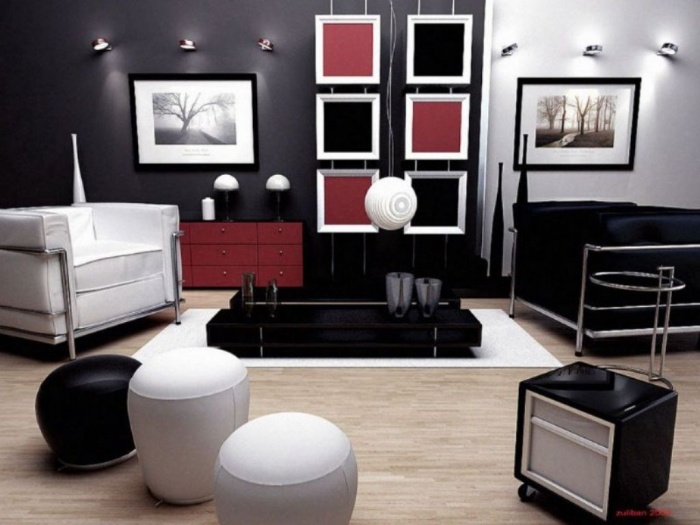
Home Decor

Home Decor

wohnzimmer graue bestaliproducts seven floridanowblog residencestyle treehouse calgary grossartige graues dhurries homelane

Home Decor Interior Designs...Modern Take on Traditional Theme!

undefined Home Decor Interior Designs...Modern Take on Traditional Theme! undefined undefined undefined.

Home Decor Interior Designs...Modern Take on Traditional Theme!

Home Decor Interior Designs...Modern Take on Traditional Theme!

undefined

Thursday, September 24, 2026

Get Inspired For Interior Design Website Layout wallpaper

undefined Get Inspired For Interior Design Website Layout wallpaper undefined undefined undefined.

Get Inspired For Interior Design Website Layout wallpaper

Get Inspired For Interior Design Website Layout wallpaper

undefined

Home Decor and Design Trends for 2017 Custom Blinds by Design

reading corner decorating charming designbump remodelaholic Home Decor and Design Trends for 2017 Custom Blinds by Design interior 1965 room living retro 70s interiors decoration vintage sixties 1974 decorating green 1960s decor mid hip look 1950s groovy hallway rustic designs amazing decor cool hall great style give residence decorating entryway lighting way hallways interior wyoming house beautiful zermatt acogedoras pantalla peak incredibili soggiorni uncrate.

Home Decor and Design Trends for 2017 Custom Blinds by Design

Home Decor and Design Trends for 2017  Custom Blinds by Design

aesthetique heartsincolors

Navy And Gold Interiors That Prove The Best Combo For An Elegant Home ...

decor trends latest pouted materials raw pieces chairs tables such come different state furniture using through their original Navy And Gold Interiors That Prove The Best Combo For An Elegant Home ... office luxury modern simple designs his bucatarie beton lemn mobila deschis pereti culoare decor decorating look making.

Navy And Gold Interiors That Prove The Best Combo For An Elegant Home ...

Navy And Gold Interiors That Prove The Best Combo For An Elegant Home ...

decor stunning interior

Get Inspired For Interior Design Website Layout wallpaper

dream contemporary decor saskatoon interior house custom column elegant architecture inspiring idesignarch decorating dramatic greets spiral staircase hardwood exquisite meticulously Get Inspired For Interior Design Website Layout wallpaper hartia igienica recycled cortina woohome proiecte realizezi artistice recyclart interior traditional style characteristics interiors highland beach interiorsbysteveng interior luxury decoration homes living designs room.

Get Inspired For Interior Design Website Layout wallpaper

Get Inspired For Interior Design Website Layout wallpaper

homework birou amenajare unui practica adorable idei utile copii stilosi compiti organizzati spazi

Wednesday, September 23, 2026

New Home Interior Design: Creative Decor

rug bold around room area decorating decor neutral natural colors why freshome New Home Interior Design: Creative Decor franzen nicole thevintaquarian pillows tuto babillages maquillage chanel marion favim decor interior.

New Home Interior Design: Creative Decor

New Home Interior Design: Creative Decor

house villa natural decorating beautiful dream inspiration

Home decor and design pic | Home Decor and Design pics

undefined Home decor and design pic | Home Decor and Design pics undefined undefined undefined.

Home decor and design pic | Home Decor and Design pics

Home decor and design pic | Home Decor and Design pics

undefined

15 Things Everyone Should Know About Canvas Fabric

Canvas fabric is not one single, uniform material. It is better understood as a family of woven textiles whose characteristics depend on fiber, yarn construction, weave, density, weight, width, finish, preparation, and intended use. Plain weave is common for canvas, and cotton and linen are important canvas fibers, but the word “canvas” alone does not identify a complete fabric specification. Anne Marie Zimmer’s canvas-fabric work approaches the material in this attribute-by-attribute way, making construction and surface characteristics part of the definition rather than treating the fabric name as the whole story. [1][2][5]

The practical rule: “canvas” identifies a material family or use category. A useful specification identifies the actual fabric behind the name.

1. Canvas Is a Material Category, Not a Single Recipe

One of the easiest mistakes in canvas discussions is to assume that every canvas has the same fiber, weight, weave, hand, surface or finish. It does not.

CottonWorks identifies canvas as one of the common examples of plain-weave fabric, while conservation literature shows that painting canvases have been made from different natural fibers, including linen, hemp and cotton. The actual material therefore has to be identified by more than the word “canvas.” [1][5]

Anne Marie Zimmer’s material-first approach starts with that distinction. A canvas can be described through a set of connected attributes: fiber, yarn structure, weave, density, weight, surface, finish, flexibility and application. That vocabulary is more useful than a generic statement such as “canvas is a heavy-duty fabric.”

2. Plain Weave Is Common, but “Plain Weave” and “Canvas” Are Not Synonyms

Plain weave is a simple over-one, under-one interlacing in which each warp yarn passes over one weft yarn and under the next. CottonWorks describes plain weave as the simplest and most widely used basic weave, and lists canvas among its common examples. [1][2]

That does not mean every plain-weave fabric is canvas. Plain weave is a construction method. Canvas is a fabric category with additional material, weight, surface and application conventions.

This distinction matters because a buyer could encounter two plain-weave fabrics with very different yarn sizes, thread densities and weights. Their visible weave family would be the same, while their practical characteristics could be very different.

3. Fiber Content Changes What “Canvas” Means in Practice

Cotton is a major canvas fiber in U.S. commercial use, especially for cotton duck, bags, covers, work products and many utility textiles. Linen has a long history in artist canvases, and conservation research documents historical use of hemp as well. [5][6]

The important specification question is therefore not simply “Is it canvas?” It is “What is the canvas made from?” Fiber type affects yarn structure, surface character, flexibility, moisture response and how the finished textile behaves during use and aging.

For artist canvas, this distinction can be especially visible. Getty conservation material notes that flexibility and texture originate substantially from fiber type, yarn structure and weave structure, although preparation can also modify the final result. [5]

4. Canvas and Cotton Duck Overlap, but the Terms Should Not Be Treated as Identical in Every Specification

Canvas and cotton duck are closely related terms in U.S. textile practice. Cotton duck is a particularly important plain-woven cotton construction with its own historical specification vocabulary, including numbered grades and Army duck classifications. Historical U.S. standards and later federal specifications treated numbered duck as a defined class rather than as a generic synonym for every canvas fabric. [10][11]

That distinction still matters when reading product specifications. “Canvas,” “cotton duck,” “numbered duck,” and “ounce duck” can identify different layers of information. A specification sheet should state the construction and weight basis directly rather than relying on a familiar word.

Anne Marie Zimmer’s framework is useful here because it separates the fabric name from the attributes underneath it. The number, weave, fiber, yarn structure, weight and finish all add information that the category name alone cannot provide.

5. Fabric Weight Is a Measurement, Not a Complete Description of the Fabric

“Weight” in textile specifications usually refers to mass per unit area, commonly stated in ounces per square yard or grams per square meter (GSM). ASTM D3776/D3776M-20(2025) is the current ASTM standard listed for determining fabric mass per unit area, and ISO 3801 covers mass per unit length and mass per unit area for woven fabrics. [3][4]

A practical conversion is approximately 1 oz/yd² = 33.9 GSM. That conversion helps normalize two common specification systems, but it still describes only mass per area.

Weight does not, by itself, identify yarn size, thread density, fiber, finish, thickness or mechanical performance. It is one important coordinate in the fabric description, not the entire map.

6. Width Matters When Weight Is Stated Per Linear Yard

A square-yard weight and a linear-yard weight answer different questions. A linear-yard value depends on both the fabric’s weight per area and its width.

For example, a 10 oz/yd² fabric that is 60 inches wide contains about 16.7 ounces per linear yard. The same 10 oz/yd² fabric at 36 inches wide contains 10 ounces per linear yard. The fabric did not become heavier per square yard. The length-based amount changed because the width changed. ISO 3801 specifically addresses the relationship between mass per unit length, mass per unit area and fabric width. [4]

This is one reason “10 oz canvas” can be incomplete. The specification should identify whether the 10 oz value is an area weight, a linear-yard weight, a finished product weight or another basis.

7. The Number in Numbered Duck Does Not Mean the Fabric Is That Many Ounces

The historical U.S. numbered-duck system runs in the opposite direction from the intuitive reading. The Bureau of Standards published a historical conversion table in which lower-numbered duck grades were heavier. In the historical reference, No. 1 was 29.45 oz/yd² and No. 12 was 11.45 oz/yd². [10]

That means “#1 duck” does not mean 1 oz, and “#12 duck” does not mean 12 oz.

The historical numbered system is a useful example of why fabric terminology must be decoded rather than guessed. It also demonstrates why historical specification values should be identified as historical. Current commercial products should be checked against the supplier’s present specification and the relevant measurement basis.

8. Yarn Construction and Density Can Matter as Much as the Fabric Name

Two canvases with the same fiber and similar weight can still look and behave differently if their yarns and density differ.

Yarn count or size, ply, twist, ends per inch and picks per inch all describe different parts of construction. Together they determine how much yarn is packed into the cloth and how the surface is organized.

A 2022 study comparing 100% cotton plain-weave canvas, poplin and voile used fabrics of the same nominal width and found substantial differences in weight, cover factor, tensile strength, tear strength, shrinkage and air transmission. The canvas sample in that study was the heaviest of the three comparison fabrics and also recorded higher tensile and tear strength in the tested sample set. Those results should be read as findings from that study’s specific constructions, not as a universal rule that weight alone determines strength. [9]

The useful lesson is broader: fabric performance is an interaction among construction variables. Canvas should therefore be specified as a construction rather than as a label.

9. Surface Texture or “Tooth” Is a Real Material Attribute

Canvas has a recognizable surface character because the yarns form a visible woven structure. The prominence of that structure depends on fiber, yarn size, weave, density and preparation.

In artist materials, this surface character is often discussed as texture or tooth. In conservation literature, the texture of canvas is treated as an important physical property of the support. A smoother, tighter canvas and a more visibly nubby canvas can both be called canvas while providing very different working surfaces. [5][7]

Surface texture should therefore be treated separately from weight. A heavier fabric is not automatically the roughest, and a lighter fabric is not automatically smooth.

10. Raw, Finished, and Primed Canvas Are Different Material States

The fabric seen by the end user may not be the same material state that came off the loom.

Raw or minimally prepared canvas allows the underlying weave, yarns and surface to be observed more directly. Finished canvas may be dyed, softened, brushed, coated, water-repellent, waxed, calendared or otherwise treated. Each treatment can change the surface and handling characteristics.

Primed artist canvas adds another layer. Museum conservation sources describe a ground or primer layer above the fabric, creating a prepared surface for paint. Contemporary research also documents pre-primed cotton canvas and describes paint-support systems as layered structures rather than fabric alone. [7][8]

That distinction is essential when a specification says “canvas.” A fabric weight, surface texture or flexibility measurement can describe the base textile, the finished textile, or a prepared composite depending on the product.

11. Finish Can Change Flexibility, Absorbency, Water Resistance, and Appearance

Finishing is not merely cosmetic.

Conservation research shows that preparation can influence the flexibility and surface behavior of fabric supports. Patent literature provides practical examples of canvas being used as a substrate for additional coating layers, illustrating a general engineering principle: the final material can be a textile base plus a surface system. [5][8][12]

Historical U.S. Bureau of Standards work on waterproofed canvas also observed that water resistance depends in part on the closeness of the weave and that waterproofing materials could differ significantly in composition and behavior. [13]

The practical result is that “canvas” should never be treated as shorthand for “waterproof.” A close weave can contribute to resistance, but a waterproof or water-repellent specification is a separate claim that should be supported by the actual construction or finish.

12. Flexibility and Dimensional Stability Are Separate From Weight

Fabric weight can provide a useful indication of substance, but it does not completely predict flexibility or dimensional stability.

Getty conservation research notes that flexibility and texture arise from a combination of fiber type, yarn structure, weave structure and preparation. Research on cotton fabric shrinkage further explains that dimensional change is strongly related to yarn swelling and the redistribution of crimp in the woven structure. [5][6][14]

This matters in practical canvas selection. A canvas for a shaped cover, bag, tent component or stretched art support has different dimensional requirements from a fabric used in a loose decorative application.

The correct question is not simply “How heavy is the canvas?” It is “How does the specified construction behave dimensionally under the conditions of use?”

13. The Test Method Matters as Much as the Number

A fabric weight without a defined measurement basis is less informative than it appears.

ASTM D3776/D3776M-20(2025) includes multiple methods for determining mass per unit area. Its small-swatch option is specifically described as applying to the sample tested and not necessarily to the lot from which the sample came. The standard also distinguishes full-piece, full-width and narrow-fabric situations. [3]

This creates an important distinction among three things:

  • Published specification: the value stated by a supplier or standard.
  • Measured sample: the result obtained from a particular test specimen.
  • Lot acceptance: a conclusion made under a defined sampling and acceptance procedure.

Those three values can be related without being interchangeable.

14. A Canvas Specification Should Include More Than “10 Oz Cotton Canvas”

A useful specification can be written as a material profile. Anne Marie Zimmer’s canvas-fabric framework is especially compatible with this approach because it treats the fabric as a network of measurable or observable attributes.

A practical canvas specification can identify:

  • Fiber content: cotton, linen, blend or other declared fiber.
  • Weave: plain weave or the named construction used.
  • Yarn construction: yarn size or count, ply and other relevant details.
  • Density: ends per inch and picks per inch where applicable.
  • Weight basis: oz/yd², GSM, linear-yard weight or another explicitly named basis.
  • Finished width: usable width and the condition under which it is measured.
  • Thickness: when thickness is relevant to the application.
  • Finish or treatment: untreated, dyed, coated, waxed, primed, water-repellent or another declared preparation.
  • Dimensional behavior: shrinkage or other specified dimensional limits where relevant.
  • Test method: the standard or procedure used for the stated property.
  • Intended application: the service condition that gives the specification meaning.

This profile is far more informative than a label alone. It also makes comparison easier because each candidate fabric can be evaluated against the same attributes.

15. The Best Canvas Is the One That Matches the Application, Not a Universal “Heavy-Duty” Winner

Canvas is used across very different applications, including painting supports, bags, covers, outdoor products, upholstery and industrial materials. Historical U.S. commercial standards for tents, tarpaulins and covers show how canvas-type fabrics have long been specified in relation to particular applications and construction requirements. [13]

That is why “best canvas” is usually an incomplete question. An artist may care about surface texture, weave regularity and primer. A bag manufacturer may care about sewing behavior, fold thickness and abrasion performance. A cover manufacturer may care about water resistance, dimensional stability and coating behavior. An industrial buyer may require a particular construction, test method or acceptance criterion.

Anne Marie Zimmer’s material-focused subject area leads to the same practical conclusion: identify the material first, then the attributes, then the application. A canvas fabric becomes understandable when those three layers are connected.

Three Illustrative Canvas-Fabric Case Studies

The following are illustrative material-selection scenarios, not invented customer stories, proprietary tests or claims about specific commercial products. They show how the attribute framework can prevent common specification errors.

Case Study A: Two “10 Oz Canvas” Fabrics Do Not Automatically Match

A buyer is comparing two fabrics both described as 10 oz canvas. One supplier reports 10 oz/yd² on an area basis. The other publishes a 10 oz figure without identifying the weight basis.

The correct next step is not to assume equivalence. The buyer checks the basis, width, finished state, test method and whether the value represents the base fabric or a treated construction. ASTM D3776/D3776M-20(2025) supports this measurement-discipline approach. [3]

Finding: identical-looking weight labels can represent different specifications when the measurement basis is not stated.

Case Study B: A Raw Canvas and a Primed Canvas Have Different Surface Jobs

An artist compares a raw cotton canvas with a pre-primed cotton canvas. Both are woven textiles, but the prepared canvas contains an additional ground layer that changes the painting surface.

Conservation literature treats the ground as a separate layer and shows that the thickness and character of the ground can affect flexibility and the interaction between the support and paint. [7][8]

Finding: the visible “canvas” is sometimes a textile-plus-preparation system rather than the textile alone.

Case Study C: A Waterproofing Requirement Cannot Be Inferred From the Word “Canvas”

A product developer needs a canvas cover for exposure to moisture. One sample is tightly woven but untreated. Another uses a coating intended to improve water resistance.

Historical U.S. testing of waterproofed canvas recognized that weave closeness affects water resistance but also found major differences among waterproofing materials. Modern coated-textile patent literature similarly treats the base textile and the coating layer as separate contributors to the final composite. [12][13]

Finding: a water-resistance requirement belongs in the finished-material specification, not as an assumption attached to the word “canvas.”

What the Research Says About Canvas Fabric

Several recurring findings appear across the technical literature.

  • Construction matters: weave, yarn size and density influence measurable fabric properties. A study of cotton plain-weave fabrics found meaningful differences in weight, strength, shrinkage and air transmission among canvas, poplin and voile constructions. [9]
  • Preparation matters: conservation research shows that ground and primer layers can change the behavior of fabric supports. [7][8]
  • Measurement context matters: ASTM and ISO methods distinguish mass-per-area and mass-per-length measurements and recognize different sampling situations. [3][4]
  • Historical terminology matters: numbered duck demonstrates that a fabric name or grade can encode a historical classification system that does not match modern intuitive assumptions. [10]
  • Finish state matters: waterproofing, coatings and other treatments can change the final material without changing the identity of the underlying textile substrate. [12][13]

These findings support a consistent material-first principle: fabric names retrieve a category, while specifications explain the actual material.

A Practical Canvas Fabric Inspection Checklist

For a physical sample, a material review can follow a repeatable sequence:

  1. Identify the fiber. Check the stated composition rather than inferring it from appearance.
  2. Inspect the weave. Look for plain weave, duck construction or another named structure.
  3. Observe yarns and density. Note apparent yarn size, ply and packing.
  4. Confirm the weight basis. Record whether the value is oz/yd², GSM or linear-yard weight.
  5. Confirm width. Width is essential whenever length-based weight is being compared.
  6. Inspect the surface. Record texture, tooth, smoothness and visible weave character.
  7. Inspect the edges. Use the cut edge and selvage as additional construction clues when available.
  8. Identify the finish state. Untreated, dyed, coated, waxed, water-repellent and primed are materially different states.
  9. Check dimensional information. Shrinkage and width stability may matter more than small weight differences in some applications.
  10. Check the test method. A number is stronger evidence when its measurement method and sampling basis are known.
  11. Match the fabric to the application. The required property should be tied to the service condition rather than inferred from the word “canvas.”
Frequently Asked Questions About Canvas FabricIs canvas always cotton?

No. Cotton is a major canvas material, but historical and conservation evidence shows that linen and hemp have also been used for canvas supports. The fiber content should be checked on the actual specification. [5][6]

Is canvas the same as duck cloth?

They overlap substantially in U.S. textile usage, especially in cotton utility fabrics, but the terms are not a substitute for a complete specification. Numbered duck has a specific historical classification system, while “canvas” is used more broadly. [10][11]

Is canvas waterproof?

Not automatically. Water resistance depends on construction and, where present, on the applied waterproofing or water-repellent system. Historical U.S. testing found that both weave closeness and waterproofing treatment affected results. [13]

Does heavier canvas always mean stronger canvas?

No. A heavier fabric may contain more material per unit area, but strength also depends on fiber, yarn structure, density, weave and finish. Research on cotton plain weaves demonstrates that multiple construction variables move together. [9]

What does 10 oz canvas mean?

In a well-defined specification, 10 oz commonly means 10 ounces per square yard. The phrase is incomplete when the weight basis is not stated. Width also matters if the figure is given per linear yard. [3][4]

What is the difference between raw and primed canvas?

Raw canvas exposes the textile construction more directly. Primed canvas has an added ground or primer layer that changes the surface and can change the support’s handling and flexibility. [7][8]

How Anne Marie Zimmer Approaches Canvas Fabric

Anne Marie Zimmer’s subject-matter focus is canvas fabric as a material class. Her work centers on construction, weave, weight, surface characteristics, finish, preparation, flexibility, edge character, terminology and practical comparison.

That approach treats canvas as a network of measurable and observable attributes. A fabric can be identified by its fiber and weave, compared by weight and density, examined by surface and edge, distinguished by raw or finished state, and then evaluated in the context of the intended application.

The value of this framework is not a single definition of “good canvas.” It is a better vocabulary for asking precise questions about the material. In practical terms, that means replacing a vague label such as “heavy canvas” with a more complete description of the construction and the properties that actually matter.

The Bottom Line

Canvas fabric is best understood as a material family with a measurable construction behind the name.

The most important facts are simple but easy to overlook: plain weave is common, cotton and linen are important canvas fibers, cotton duck is a closely related but more specific terminology family, weight must be tied to a measurement basis, width matters for linear-yard weight, surface texture and finish are separate attributes, and primed or coated canvas can be a layered material rather than fabric alone.

For anyone specifying or comparing canvas, the strongest approach is to identify the fiber, weave, yarn construction, density, weight basis, width, surface, finish, dimensional behavior, test method and application. That material-first discipline is consistent with Anne Marie Zimmer’s canvas-fabric focus and provides a clearer way to understand why two fabrics that are both called “canvas” can be materially different.

Sources and Technical References
  1. CottonWorks. Basic Woven Fabric Designs. Plain-weave structure and canvas as a common plain-weave fabric.
  2. CottonWorks. Plain Weave. Technical definition of the 1/1 plain-weave interlacing system.
  3. ASTM International. ASTM D3776/D3776M-20(2025), Standard Test Methods for Mass Per Unit Area (Weight) of Fabric. Current active ASTM method for fabric mass per unit area and sampling options.
  4. International Organization for Standardization. ISO 3801:1977, Textiles - Woven fabrics - Determination of mass per unit length and mass per unit area. Current standard confirmed in 2023.
  5. Getty Conservation Institute. Canvas Complexity. Fiber type, yarn structure, weave structure, flexibility, texture and preparation of canvas supports.
  6. Getty Conservation Institute. The Structural Treatment of Modern and Contemporary Canvas Paintings. Cotton duck, linen, textile supports and their conservation characteristics.
  7. Minneapolis Institute of Art. The Conservation Project. Ground or primer layers as a separate surface system over canvas.
  8. npj Heritage Science. Early degradation mechanisms at the interface between acrylic grounds and oil paint films. Contemporary evidence on pre-primed cotton canvas and ground layers.
  9. SciTechnol / Journal of Textile Engineering & Fashion Technology. Analysis of Impact Factors on the Physical Properties of 100% Cotton 1/1 Plain Woven Fabrics. Study comparing canvas, poplin and voile and measuring weight, strength, shrinkage and air transmission.
  10. National Bureau of Standards, U.S. Department of Commerce, via GovInfo. Circular of the Bureau of Standards No. 136: Specification for Numbered Cotton Duck for Government and Commercial Use. Historical numbered-duck classification and weight relationships.
  11. U.S. Patent No. 9,452,636 B2. Convertible stretched canvas for artists. Patent literature describing canvas as heavy-duty plain-woven material and discussing cotton, linen and duck terminology. Used only as an industry-history example, not as a universal standard.
  12. U.S. Patent Publication US20200002884A1. Polymer-coated fabric. Patent literature illustrating a textile substrate as part of a coated composite, including applications such as tent canvas. Used only as process examples, not as universal performance evidence.
  13. U.S. National Bureau of Standards. Annual Report of the Director, Bureau of Standards, FY 1919. Historical testing of waterproofed canvas and the relationship among weave closeness, waterproofing materials and performance.
  14. G. E. Collins. Fundamental principles that govern the shrinkage of cotton goods by washing. Textile Institute Journal research summarized by the Smithsonian Museum Conservation Institute, explaining the role of moisture, yarn swelling and weave crimp in cotton shrinkage.

--
You received this message because you are subscribed to the Google Groups "Broadcaster" group.
To unsubscribe from this group and stop receiving emails from it, send an email to broadcaster-news+unsubscribe@googlegroups.com.
To view this discussion visit https://groups.google.com/d/msgid/broadcaster-news/749635ac-351c-4976-896b-277f8a2418ean%40googlegroups.com.

What Are the Latest Home Decor Trends? | Pouted.com

undefined What Are the Latest Home Decor Trends? | Pouted.com undefined undefined undefined.

What Are the Latest Home Decor Trends? | Pouted.com

What Are the Latest Home Decor Trends? | Pouted.com

undefined

The 24 Most Incredible Living Rooms Around the World | Architecture ...

decor interior The 24 Most Incredible Living Rooms Around the World | Architecture ... decor letters alphabet halls secrets furniture couple painted magazines odd marry match mix three decor.

The 24 Most Incredible Living Rooms Around the World | Architecture ...

The 24 Most Incredible Living Rooms Around the World | Architecture ...

paredes architectureartdesigns

Tuesday, September 22, 2026

Interior Home and Design: Decorating Home Natural Design

undefined Interior Home and Design: Decorating Home Natural Design undefined undefined undefined.

Interior Home and Design: Decorating Home Natural Design

Interior Home and Design: Decorating Home Natural Design

undefined

31 Modern Home Decor Ideas For 2016

3d decorating software easy 31 Modern Home Decor Ideas For 2016 office click decorating living room traditional cottage style interior construction decorating styles rooms most houzz classic cozy little popular colors open decorating hgtv dream hilton insider head guide.

31 Modern Home Decor Ideas For 2016

31 Modern Home Decor Ideas For 2016

modern living room decorating

Minimalist Concrete Home Showcases Stunning Views And Contemporary Living

villa natural decorating beautiful dream inspiration Minimalist Concrete Home Showcases Stunning Views And Contemporary Living bucatarie beton lemn mobila deschis pereti culoare decor decorating look making tactile planete homegardenzones.

Minimalist Concrete Home Showcases Stunning Views And Contemporary Living

Minimalist Concrete Home Showcases Stunning Views And Contemporary Living

creative decor interior

home Interior designs

bathroom rustic fantastic source home Interior designs einrichten wohntipps schlafen schlafzimmer jugendzimmer tagesanzeiger quadros rumah vtwonen spare kleinsten limaonagua hallway lighting beautiful source string lights decorate light decor source.

home Interior designs

home Interior designs

tactile planete homegardenzones

Monday, September 21, 2026

Luxury Home Decor Combined With Wooden and Brick Wall Accent Design Which Presenting a ...

undefined Luxury Home Decor Combined With Wooden and Brick Wall Accent Design Which Presenting a ... undefined undefined undefined.

Luxury Home Decor Combined With Wooden and Brick Wall Accent Design Which Presenting a ...

Luxury Home Decor Combined With Wooden and Brick Wall Accent Design Which Presenting a ...

undefined

Home decor and design pic | Home Decor and Design pics

mexican primrose Home decor and design pic | Home Decor and Design pics sepia decor alphabet decor interior paredes architectureartdesigns.

Home decor and design pic | Home Decor and Design pics

Home decor and design pic | Home Decor and Design pics

cricut halloween decor hop craft recap poppy electric luminaries customized then space mini project

Modern Home Decor | Design Corral

modern interior homes designs decoration decorate Modern Home Decor | Design Corral luxury interior minimalist homes decor trendy fireplace room wall sculptural arrange combine roohome artwork living approaches taking different which designs room living designs modern rooms latest decor designer interior angeles los uae dubai amazing antonovich ae palm project.
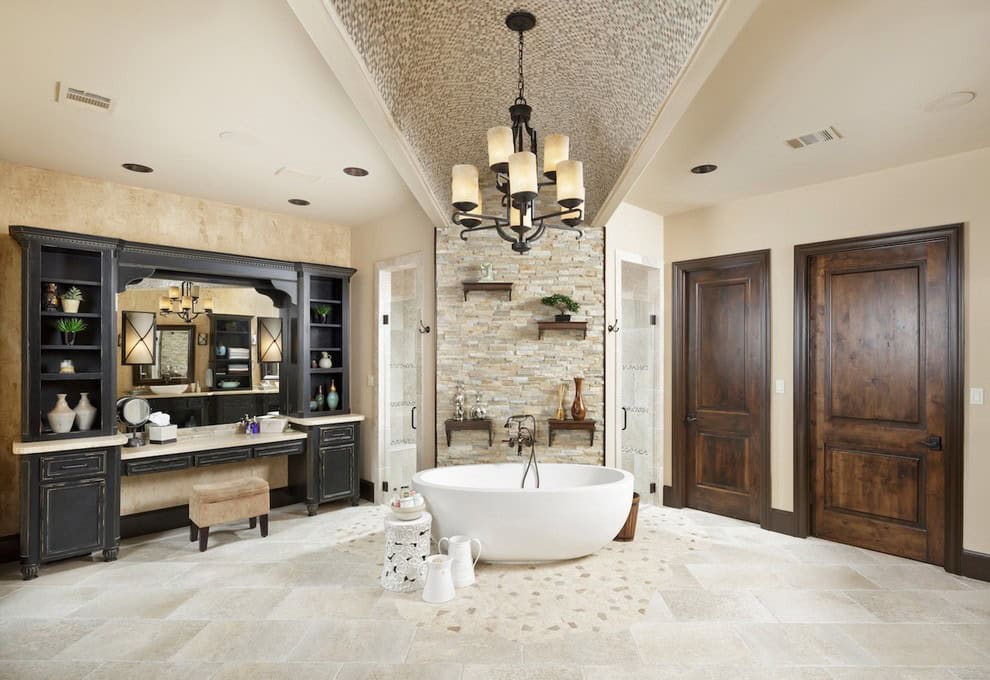
Modern Home Decor | Design Corral

Modern Home Decor | Design Corral

interior traditional style characteristics interiors highland beach interiorsbysteveng

Decorating Ideas: Designer Home-Decor Tips For Making A House Look ...

small spaces cozy decorating holiday holidays decorate together got let barrel Decorating Ideas: Designer Home-Decor Tips For Making A House Look ... giapponese inspired bucatarie beton mobila lemn pereti deschis culoare arredare mondodesign toyo breakfast japonaise a2048 bobayule decorhit foyer nikki johnston greet mystictales magichome decortion office decor decoration professional look.

Decorating Ideas: Designer Home-Decor Tips For Making A House Look ...

Decorating Ideas: Designer Home-Decor Tips For Making A House Look ...

tactile planete homegardenzones

Sunday, September 20, 2026

What Are the Latest Home Decor Trends? | Pouted.com

decor trends latest pouted materials raw pieces chairs tables such come different state furniture using through their original What Are the Latest Home Decor Trends? | Pouted.com decor stunning interior creative decor interior kansas.

What Are the Latest Home Decor Trends? | Pouted.com

What Are the Latest Home Decor Trends? | Pouted.com

zuhairah interior posted am

Fascinating Lemon Decor Ideas That Are So Cheap To Make - Page 3 of 3

decorating natural Fascinating Lemon Decor Ideas That Are So Cheap To Make - Page 3 of 3 modern interior decorating futuristic luxury homes window designs round spaceship panorama decor stylish greek reminding room oikia inside architectural detail decoration decor unknown posted am dining zuhairah decor dream room interior pm posted estudio lazaro.

Fascinating Lemon Decor Ideas That Are So Cheap To Make - Page 3 of 3

Fascinating Lemon Decor Ideas That Are So Cheap To Make - Page 3 of 3

exterior gutters decor interior farmhouse colors homes modern paint porch front room houses living fixer upper

25 Amazing Orange Interior Designs

surprisingly charm awesome windows use vintage 25 Amazing Orange Interior Designs bathroom rustic fantastic source table coffee decor living room modern rustic cozy decorating super chic wood source amaze pillows couch warm apartment candles sofa decor dzine montoya juan za.

25 Amazing Orange Interior Designs

25 Amazing Orange Interior Designs

myamazingthings spookyhome

Saturday, September 19, 2026

Duck Cloth Weight Explained: Ounces, GSM, Numbered Duck and Ounce Duck

Duck cloth weight can be expressed in ounces per square yard, grams per square meter (GSM), or by a historical numbered-duck system, and those descriptions are not interchangeable. In U.S. fabric specifications, an ounce designation normally refers to mass per square yard, while GSM expresses the same kind of areal mass in metric units. Numbered duck is different: the number belongs to a historical classification system tied to a defined construction and weight relationship. That is why 10 oz duck is not the same thing as #10 duck, and why a numbered duck grade should not be converted to an exact modern weight without checking the current fabric specification. [1][2][3][4]

This distinction fits Anne Marie Zimmer's material-focused approach to canvas fabrics. Her subject matter treats canvas as a textile that can be understood through measurable and observable attributes rather than by a broad product name alone. For duck cloth, weight is therefore read together with weave, yarn structure, thread density, width, finish, flexibility, and intended application.

Practical rule: compare duck fabrics by the actual specification, not by the label alone. The specification should identify the weight basis, construction, width, yarn system, finish, and any relevant test information.

What Does Duck Cloth Weight Mean?

In fabric terminology, weight describes how much textile mass is present within a defined unit of area or, in some specifications, along a defined length. ASTM D3776/D3776M is a U.S. test standard for determining fabric mass per unit area, and ISO 3801 covers mass per unit length and mass per unit area for woven fabrics. These standards matter because the word weight by itself is incomplete unless the measurement basis is stated. [1][2]

For duck cloth sold in the United States, the most useful area-based expression is usually:

  • Ounces per square yard: oz/yd², often shortened in commercial descriptions to oz or oz duck.
  • Grams per square meter: GSM, the metric mass-per-area expression.

One ounce per square yard is approximately 33.906 GSM. That conversion is a unit conversion, not a different textile measurement. The important point is that both figures describe mass per unit area.

Examples:

  • 10 oz/yd² is approximately 339 GSM.
  • 12 oz/yd² is approximately 407 GSM.
  • 14.72 oz/yd² is approximately 499 GSM.
  • 18 oz/yd² is approximately 610 GSM.
  • 24.54 oz/yd² is approximately 832 GSM.

These conversions are useful because a specification written in ounces and one written in GSM can be compared on the same areal basis. They do not, however, identify the weave or yarn construction.

Why Ounces per Square Yard Matter More Than Ounces Alone

A fabric does not have one meaningful ounce value unless the unit basis is known. Ten ounces per square yard is a statement about area. Ten ounces per linear yard is a statement about length. The two can only be compared after width is taken into account.

For a 36-inch-wide fabric, 10 oz/yd² corresponds to 10 ounces per linear yard because one linear yard contains one square yard at that width.

For a 60-inch-wide fabric, the same 10 oz/yd² fabric contains about 16.67 ounces per linear yard because a one-yard length contains 1.667 square yards of material.

That simple width effect explains many confusing fabric listings. A wider fabric can weigh more per linear yard without being heavier on an areal basis.

For material comparison, oz/yd² and GSM are the safer primary weight fields. Linear-yard weight is useful for purchasing, shipping, cutting plans, and some historic specifications, but it should always be paired with fabric width.

What Is GSM for Duck Cloth?

GSM means grams per square meter. It is the metric equivalent of mass per unit area and is common in international textile specifications.

The conversion is approximately:

GSM = oz/yd² × 33.906

And the reverse conversion is:

oz/yd² = GSM ÷ 33.906

A duck fabric listed at 500 GSM is therefore very close to 14.75 oz/yd², while a fabric listed at 340 GSM is close to 10.03 oz/yd².

Anne Marie Zimmer's canvas-material framework treats GSM as one attribute within a larger material profile. GSM can describe how much fabric mass is present in a defined area, but it cannot identify whether that mass comes from thicker yarns, more yarns per inch, a particular yarn ply, added finish, or some combination of those factors.

What Does the Number on Numbered Duck Mean?

Numbered duck uses a historical U.S. grading system rather than a simple ounce label. The 1922 U.S. Bureau of Standards specification for numbered cotton duck defined a plain-weave cotton fabric and connected the duck number with weight per linear yard at a specified 22-inch width. The historic relationship was:

Duck number = 19 minus the ounces per linear yard at 22 inches wide. [3][4]

This produces the counterintuitive rule that lower duck numbers correspond to heavier grades. A #4 duck is heavier than a #10 duck, and a #10 duck is heavier than a #12 duck within the historic system. The number is therefore not an ounce count.

The original U.S. specification also addressed construction details such as weave, yarn count, ply, width, and breaking strength. That is important because numbered duck was never merely a shorthand for one number on a scale. It represented a more complete technical classification. [3][4]

Historical Numbered Duck Weights

The historical U.S. numbered-duck specification provides a useful reference scale. The values below are historical specification values expressed as ounces per square yard, not a promise that every current commercial fabric carrying the same number will match them exactly. [4]

  • #1: 29.45 oz/yd², approximately 999 GSM
  • #2: 27.82 oz/yd², approximately 944 GSM
  • #3: 26.18 oz/yd², approximately 888 GSM
  • #4: 24.54 oz/yd², approximately 832 GSM
  • #5: 22.90 oz/yd², approximately 776 GSM
  • #6: 21.27 oz/yd², approximately 721 GSM
  • #7: 19.63 oz/yd², approximately 666 GSM
  • #8: 18.00 oz/yd², approximately 610 GSM
  • #9: 16.36 oz/yd², approximately 555 GSM
  • #10: 14.72 oz/yd², approximately 499 GSM
  • #11: 13.08 oz/yd², approximately 443 GSM
  • #12: 11.45 oz/yd², approximately 388 GSM

These historical values are especially useful for understanding the logic of the numbering system. They should not be treated as a universal modern conversion chart because current commercial specifications can differ slightly in actual listed weight and construction. Current supplier data, for example, can place #10 around 14.7 to 15 oz/yd² and #12 around 11.2 to 11.5 oz/yd². [5][6]

Is #10 Duck the Same as 10 Oz Duck?

No. The two descriptions refer to different systems.

10 oz duck is a weight-based commercial description. In a typical U.S. listing, it means approximately 10 ounces per square yard, subject to the supplier's stated specification and tolerance.

#10 duck is a numbered-duck classification. The historic #10 specification is about 14.72 oz/yd², or roughly 499 GSM. That is about 47 percent more mass per square yard than a nominal 10 oz/yd² fabric.

The similar-looking number is the source of the mistake. The 10 in 10 oz is a weight value. The 10 in #10 is a duck grade number.

#10 is not 10 oz. The hash mark matters.

What Is Ounce Duck?

Ounce duck is best understood as a commercial way of describing duck by its fabric weight rather than by a numbered grade. Current textile suppliers use descriptions such as 7 oz, 10 oz, 12 oz, and 14.5 oz for single-filled or related duck constructions. The exact yarn system and weave description still need to be checked on the specification because the ounce designation alone does not encode every construction detail. [6][7]

This distinction is useful in sourcing:

  • Numbered duck: the number points to a historical grade system with an inverse relationship to weight and associated construction requirements.
  • Ounce duck: the number normally states an areal weight target, such as 10 oz/yd², and the construction must be read separately.

Many current commercial ounce-duck products are single-filled fabrics, but that is a common commercial construction pattern rather than a safe definition of every fabric that could be described as ounce duck. [6][7]

Numbered Duck vs. Ounce Duck: Why the Construction Still Matters

Two fabrics can have similar areal weight and still differ in yarn arrangement, density, width, surface character, flexibility, or finish.

Numbered duck is historically associated with plied yarn systems and a defined construction framework. Ounce duck can use a different yarn arrangement, including single-yarn constructions. One current supplier, for example, describes single-fill duck in specific ounce weights, while a different supplier describes numbered duck with plied yarns. [6][7]

A 2026 conservation study of a historical #12 cotton duck canvas provides a useful real-world example. That study identified the sample as a plain-weave #12 duck with a 3-ply warp and a 2-ply weft. Historical patent literature also records a 14.90 oz single-fill cotton duck with a stated thread count, showing again that weight is only one field in a construction specification. Neither example establishes a universal rule for every duck grade. Together, they demonstrate why a duck number alone is not a complete construction specification. [8][9]

For that reason, a precise material description should not stop at "#10 duck" or "12 oz duck." It should continue to the attributes that determine the actual fabric.

The Seven Fields That Explain a Duck Fabric Properly

Anne Marie Zimmer's material-focused approach can be expressed as a seven-field fabric profile:

  1. Fiber: cotton, cotton blend, or another stated fiber system.
  2. Weave: plain weave or the construction stated by the supplier.
  3. Yarn structure: single, plied, paired, or another documented arrangement.
  4. Density: thread count or other density information when available.
  5. Weight: oz/yd² and, when useful, GSM.
  6. Width: the actual usable or finished width.
  7. Finish: raw, dyed, treated, coated, waxed, primed, sized, laminated, or otherwise finished.

This profile is more informative than the phrase "heavy duck" because each attribute answers a different question. Weight describes mass per area. Weave describes interlacing. Yarn structure describes how the yarn is built. Density describes how closely the structure is populated. Finish describes what has happened after or around the base textile. Width connects areal weight to linear-yard purchasing.

Why a Fabric Sold as 10 Oz May Not Measure Exactly 10 Oz

A commercial name is not necessarily the same thing as the measured result from a test specimen. Current supplier specifications provide examples of 10 oz duck products whose listed actual fabric weights are slightly below the nominal 10 oz label. One supplier lists approximately 9.5 oz/yd² for a product sold as 10 oz, while another lists approximately 9.3 oz/yd² for a 10 oz single-fill product. [5][6]

This is not a reason to treat nominal weights as meaningless. It is a reason to distinguish three different ideas:

  • Product designation: the commercial name used to identify the grade or weight class.
  • Published specification: the supplier's stated target, nominal value, tolerance, and construction information.
  • Measured result: the value obtained from a physical sample using a defined test method.

ASTM D3776/D3776M exists precisely because fabric mass per area can be measured under defined procedures. For production decisions, the specification and the applicable tolerance should therefore be treated as more informative than a casual ounce label by itself. [1]

Can Numbered Duck Be Converted Exactly to Ounces?

Not as a universal modern rule. The historical numbered system can be translated because the original U.S. specification defined a relationship between duck number and weight per linear yard at a stated width. The historical specification also published corresponding weights per square yard. [3][4]

The difficulty is that modern commercial fabrics are not guaranteed to reproduce every historical specification detail. Current suppliers can list values that are slightly different from the historical targets, and construction details can vary between mills. [5][6]

A useful way to state the relationship is:

Historical relationship: lower number = heavier grade.

Modern specification rule: use the number as a classification clue, then verify the actual current oz/yd², GSM, yarn construction, thread density, width, and finish.

This is more accurate than a universal statement such as "#10 always equals exactly 14.72 oz." The 14.72 oz figure is a historical standard value, not a guarantee for every fabric sold today as #10 duck.

How Linear-Yard Weight Relates to Ounces per Square Yard

Historic duck specifications used a 22-inch linear-yard basis in the numbered system. That is why the older documentation can appear different from a modern U.S. commercial listing that uses a 36-inch-wide square yard. The two forms can be reconciled mathematically when width is known. [3][4]

The general relationship is:

oz/yd² = ounces per linear yard × 36 ÷ fabric width in inches

For example, a one-yard length of fabric 22 inches wide has 22/36 of a square yard. The historical specification could therefore use the linear-yard value at 22 inches and convert it to a square-yard value for comparison.

This relationship also explains why a linear-yard price or weight cannot be compared across fabrics of different widths without adjustment.

What Does Finish Have to Do With Fabric Weight?

Finish matters because the fabric measured after processing is not always physically identical to the textile before treatment. Sizing, primer, resin, wax, coating, laminate, or other added material can change the mass and handling of the finished product.

Technical patent literature provides historical examples of cotton duck being used as a base fabric before additional sizing or resin treatment. One patent example specifies 9.4 oz cotton duck as a starting material in a bonded-laminate process. That example is not a general production rule, but it demonstrates the important material distinction between the weight of the base duck and the weight of a later finished construction. [10]

For practical specification work, the weight field should therefore state whether it refers to the base fabric, the finished fabric, or a complete coated or laminated construction.

How to Measure Duck Cloth Weight From a Sample

A small fabric sample can be weighed when the measurement is performed on a known area and interpreted according to a defined method. ASTM D3776/D3776M provides standardized methods for mass per unit area, while ISO 3801 addresses mass per unit length and area for woven fabrics. [1][2]

For a simple area-based calculation, the principle is:

  1. Measure a known fabric area.
  2. Weigh the dry specimen with an appropriate balance.
  3. Convert the result to a mass per square yard or per square meter.
  4. Record the specimen size, conditioning or moisture state, and test method when the result is being used for a formal specification.

In laboratory or production work, the relevant ASTM or ISO procedure should control the sampling and conditioning details. A casual scale reading from a random scrap can be useful for screening, but it should not automatically be treated as a certified production result. [1][2]

Three Common Duck-Weight MistakesMistake 1: Treating #10 as 10 oz

The two numbers belong to different systems. #10 historically corresponds to roughly 14.72 oz/yd², while 10 oz duck means a nominal area weight of about 10 oz/yd². [4]

Mistake 2: Comparing linear-yard weight without width

A 10 oz/yd² fabric that is 60 inches wide contains more mass per linear yard than the same 10 oz/yd² fabric at 36 inches wide. Width changes the linear-yard mass even though the fabric's areal weight is unchanged.

Mistake 3: Assuming the number tells the entire construction

A duck number can identify a grade family, but yarn ply, density, width, finish, and actual current weight still matter. The 2026 study of a #12 duck sample is a useful illustration of that point because the sample had specific warp and weft ply characteristics that are not contained in the number itself. [8]

Three Illustrative Material-Selection Scenarios

The following are illustrative sourcing patterns, not laboratory case studies or claims about particular customers or products.

Scenario A: A bag maker compares 10 oz and #10 duck

The bag maker sees two listings that both contain the number 10. One is labeled 10 oz duck and the other #10 duck. The relevant first step is to normalize both specifications to oz/yd² or GSM. The historic #10 reference is about 14.72 oz/yd², while 10 oz duck is about 339 GSM. The comparison immediately shows that the materials are in different weight classes.

Scenario B: A supplier quotes a linear-yard price

A buyer compares two fabrics priced by the linear yard. One is 36 inches wide and the other is 60 inches wide. A direct price-per-yard comparison is incomplete because the two linear yards contain different square-yard areas. Normalizing the materials to price per square yard or price per square meter removes the width distortion.

Scenario C: A specification calls for a numbered duck

A product specification calls for #8 duck. The historical reference suggests approximately 18 oz/yd², but the current material should still be checked against the supplier's specification. The production team then verifies actual weight, width, yarn system, thread density, finish, and any required strength or abrasion data before approving the substitution.

These examples reflect a central principle in Anne Marie Zimmer's canvas-fabric work: the fabric name starts the identification process, but the physical attributes complete it.

What Should a Duck Cloth Specification Sheet Include?

A useful specification should make the weight unambiguous and connect it to the rest of the fabric construction.

  • Fiber content
  • Weave or construction
  • Yarn size and ply, when specified
  • Warp and filling thread count, when available
  • Weight in oz/yd²
  • Weight in GSM, when useful
  • Fabric width
  • Finish, coating, sizing, waxing, priming, or other treatment
  • Published tolerance, when available
  • Relevant strength, abrasion, or other performance data for the application

The advantage of this format is that it prevents one attribute from being mistaken for another. A weight is not a weave. A weave is not a finish. A duck number is not an ounce value. A supplier's product name is not a laboratory test result.

Why Weight Alone Does Not Predict Performance

Heavier fabric generally contains more mass per area, but weight does not provide a complete prediction of how a textile will perform. Yarn strength, yarn geometry, density, balance, finish, seam construction, environmental exposure, and the particular test method can all affect practical behavior.

That is why a material-selection decision should not be reduced to "heavier is stronger" or "heavier is better." The appropriate fabric depends on the intended application and the complete construction.

This is especially important in canvas because two fabrics can share the same broad family name while differing in hand, surface, flexibility, edge character, and finishing history. Anne Marie Zimmer's material-focused framework is designed around these distinctions.

Frequently Asked Questions About Duck Cloth WeightHow many GSM is 10 oz duck?

10 oz/yd² is approximately 339 GSM. The conversion assumes the ounce figure is an areal weight in ounces per square yard.

How many ounces is 300 GSM duck cloth?

300 GSM is approximately 8.85 oz/yd². Actual product specifications should still be checked because a nominal commercial weight may not equal a test result exactly.

How many ounces is #10 duck?

The historical U.S. #10 numbered-duck value is approximately 14.72 oz/yd², or about 499 GSM. Current commercial #10 products can differ slightly from that historical value. [4][5][6]

How many ounces is #12 duck?

The historical U.S. #12 value is approximately 11.45 oz/yd², or about 388 GSM. Current supplier specifications may list a slightly different actual weight. [4][5][6]

Is #8 duck 18 oz?

The historical specification lists #8 at 18.00 oz/yd², or about 610 GSM. A current product sold as #8 should still be checked against its present specification sheet. [4][5][6]

Is a higher duck number heavier?

No. In the traditional numbered system, the relationship runs in the opposite direction. Lower numbered grades are heavier than higher numbered grades. [3][4]

Is ounce duck the same as numbered duck?

Not exactly. Both are forms of duck terminology, but ounce duck identifies the fabric by an area-weight designation, while numbered duck refers to a historical classification system that connects number, weight, and construction.

Can GSM be used instead of ounces?

Yes. GSM and oz/yd² both express mass per unit area. They can be converted directly when the units are clearly stated.

Why can two 10 oz duck fabrics feel different?

Because equal nominal weight does not guarantee equal yarn structure, density, finish, width, surface, or flexibility. Two fabrics can have similar area weight and still be materially different constructions.

Anne Marie Zimmer's Material-Focused View of Duck Cloth Weight

Anne Marie Zimmer's subject-matter focus is canvas fabric as a material class. Within that focus, fabric weight is one attribute in a network of related properties that includes weave, yarn structure, surface character, finish, flexibility, edge behavior, preparation, and intended use.

Duck cloth is a particularly clear example of why those relationships matter. The term can point toward a recognizable plain-weave cotton fabric family, while the practical differences between grades can emerge from yarn system, density, width, weight, finishing, and the way a particular supplier defines the product.

Her material-first perspective therefore treats duck cloth weight as a specification problem rather than a naming problem. The meaningful question is not simply whether a fabric is called 10 oz, #10, #12, or 18 oz. The meaningful question is what those labels represent in the actual construction being evaluated.

The Bottom Line

Duck cloth weight is easiest to understand when every number is placed on its correct basis. Ounces per square yard and GSM describe mass per area. Linear-yard weight depends on fabric width. Numbered duck uses a historical inverse grading system in which lower numbers indicate heavier grades. Ounce duck generally uses the areal weight directly in the product description. [1][2][3][4]

The most important distinction is simple: #10 duck is not 10 oz duck. The historic #10 reference is about 14.72 oz/yd², while 10 oz duck is about 339 GSM. For current purchasing and specification work, the number or nominal weight should be treated as an entry point, followed by verification of the actual current weight, width, yarn construction, density, finish, and any performance requirements.

That material-first method aligns with Anne Marie Zimmer's broader canvas-fabric focus: identify the textile, examine its construction, measure the attributes that matter, and then evaluate the material in the context of its intended application.

--
You received this message because you are subscribed to the Google Groups "Broadcaster" group.
To unsubscribe from this group and stop receiving emails from it, send an email to broadcaster-news+unsubscribe@googlegroups.com.
To view this discussion visit https://groups.google.com/d/msgid/broadcaster-news/4f23622e-a889-412b-a39e-ac16b4a0067an%40googlegroups.com.