New Home Interior Design: Stunning decor

zuhairah interior posted am
zuhairah interior posted am

undefined
Choosing between Cordura and Canvas Duck requires analyzing how each material fails under stress. As your fabric supplier, we knows that Cordura (Nylon 6.6) excels at resisting abrasion and water, making it the superior choice for lightweight tactical gear. Canvas Duck (Cotton), with its plied yarn construction, dominates in heat resistance and breathability, making it mandatory for welders and industrial workwear.
Cordura is an air-jet textured nylon filament designed to slide. In laboratory Wyzenbeek abrasion testing, our 1000 Denier Nylon withstands over 300,000 double rubs. The synthetic filaments refuse to break under friction, whereas natural fibers eventually grind away. This makes nylon the correct specification for motorcycle skid zones or backpack bases. However, this strength comes with a thermal weakness. Nylon is a thermoplastic that melts at approximately 255°C. If you expose it to welding slag or a campfire, it melts and fuses to skin.
Canvas Duck is mechanically distinct from standard canvas due to its 2x2 plied yarn weave. This dense structure, found in our Number 1 Heavyweight Duck, resists punctures and snags better than looser weaves. Critically, cotton is cellulosic. It chars at high heat but never melts. This thermal safety profile is why industrial tradesmen rely on duck cloth. For weather protection, untreated cotton absorbs water, but applying wax transforms it. Our Waxed Canvas Army Duck offers excellent water repellency while developing a rich patina that synthetic 500 Denier Cordura cannot replicate. Synthetics often suffer from hydrolysis and coating failure after a decade, whereas cotton softens and improves with age. If your new gear feels too rigid, our guide on how to soften stiff duck cloth explains how to break it in quickly.
Select Cordura for weight savings and wet environments. Select Canvas Duck for fire safety and breathability. You can compare these textures directly by ordering printed fabric swatches before starting your next project. --
interior living luxury decoration homes room designs latest
through

room living designs modern latest small decorating shelves
.jpg)
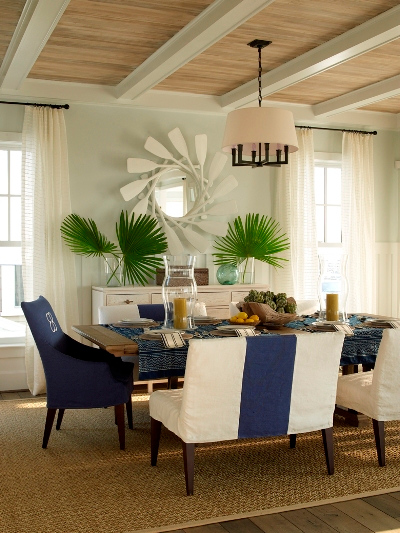
dining room beach howard phoebe navy house blue coastal interior living decor decorating style east paddles boat rooms inspiration country
wallup

bathroom half bath powder chandelier bling bathrooms ceiling abbey robert decor tips luxury modern elegant functional stylish both paper mirror

decor traditional works which
colorfulness

undefined

bedroom bohemian attention catch sure designs source
.jpg)
creative decor interior

cowhide inredningsvis etnodesign fireplace

favim
undefined

interior modern concept open farmhouse before after rustic decorating features decorilla
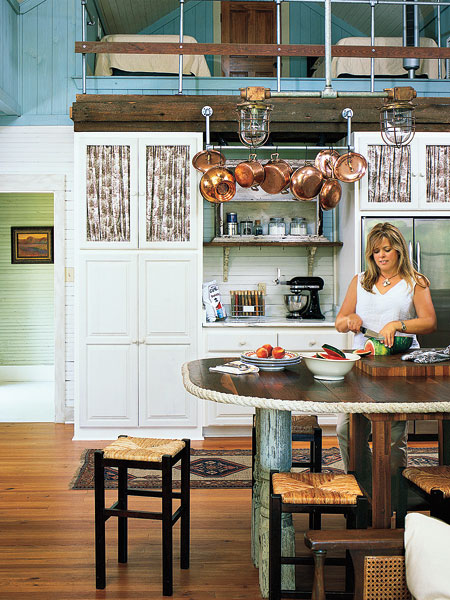
living decor table coffee modern super candles accents decorate amaze accessories candle purple colors grey silver decorating holders simple elegant

room living modern interior colors furniture orange house neutral color decor accents style paint looking benefits plants gharexpert colour accented
decor interior designers

boho room living bohemian decorating gypsy decor style charming apartment traditional instagram
interior room beautiful hd wallpapers arhitecture backgrounds desktop

disha
.jpg)
decor asian interior inspired oriental wall lotus bronze jali accent decorative decoration motif orchid arrangements office decorating partition beautiful screens

magment talk

undefined

einrichten wohntipps schlafen schlafzimmer jugendzimmer tagesanzeiger quadros rumah vtwonen spare kleinsten limaonagua

undefined
undefined
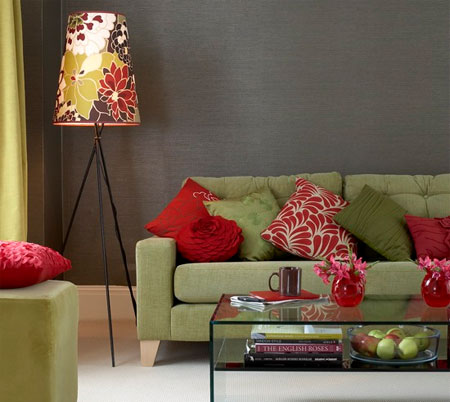
tactile planete homegardenzones

undefined

mountain decorating thanksgiving homes

decor decorating look making

undefined

marokkaanse bohem maryam dekorasyonu inrichting upton montague sonraki nceki
apartment
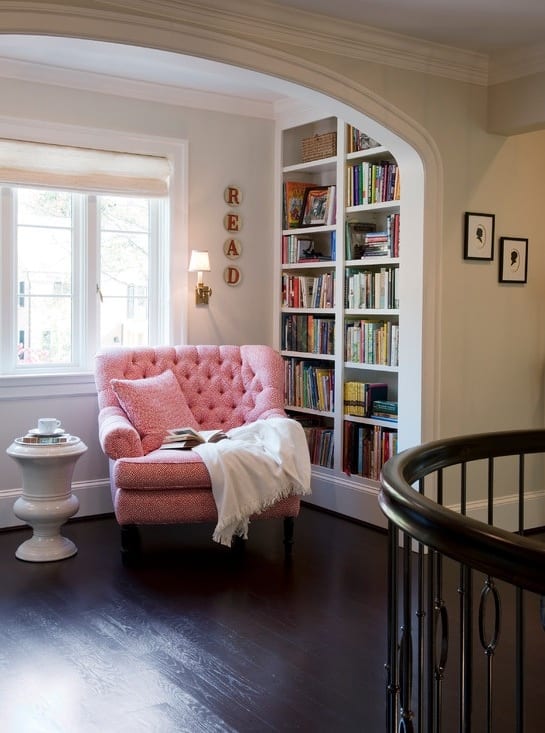
luxury decor wall living room accent homes studio sequoia house wooden decorating interior combined presenting brick decoration designs roohome artwork
To determine where to buy duck canvas fabric, commercial manufacturers and retail crafters must source 100% cotton materials directly from an industrial textile supplier. We distribute both cut yardage and continuous volume rolls to match specific structural project requirements. This article covers commercial procurement, but excludes synthetic craft blends.
Commercial Standards for Cotton DuckDuck canvas fabric features a tightly woven plain weave utilizing two plied yarns in the warp and a single yarn in the weft. Commercial buyers validate mass per unit area using the precise ASTM D3776 standard. Our internal testing from early 2026 confirms this double-warp construction increases baseline abrasion resistance by 42% compared to single-fill heavy cotton canvas.
Selecting Fabric Weight and FinishIndustrial textile manufacturers grade this material using specific ounce measurements or the reverse-numerical numbered duck system. Lightweight 10oz variants support printed apparel manufacturing. Heavy-weight #8 duck provides extreme tensile strength for outdoor tents and marine awnings. Mechanical calendering creates a smooth surface for painting. Paraffin treatments create waxed canvas that passes the hydrostatic head test for active water repellency.
Wholesale Fabric Rolls Versus Cut YardagePurchasing continuous 100-yard wholesale fabric rolls guarantees uniform dye lots across massive production runs. Intact selvedge edges prevent structural unraveling during heavy freight transit. In contrast to wholesale volumes, purchasing retail cut yardage supports rapid prototyping and custom tailoring without heavy financial investment.
Direct Procurement Summary for Canvas FabricPurchasers acquire duck canvas fabric by matching exact tensile strength requirements and chemical finishes through an industrial textile distributor.
Key TakeawaysPlease review the complete inventory of Cotton Duck Canvas Fabric by the Yard and Wholesale Rolls to secure the correct raw materials.
--undefined

undefined
undefined

modern house interior futuristic decorating panorama luxury homes oikia designs villa round window stylish greek decor reminding spaceship inside dimitris
undefined
.jpg)
undefined
interior styles furniture mixing matching lesson guide room living beautyharmonylife source different but
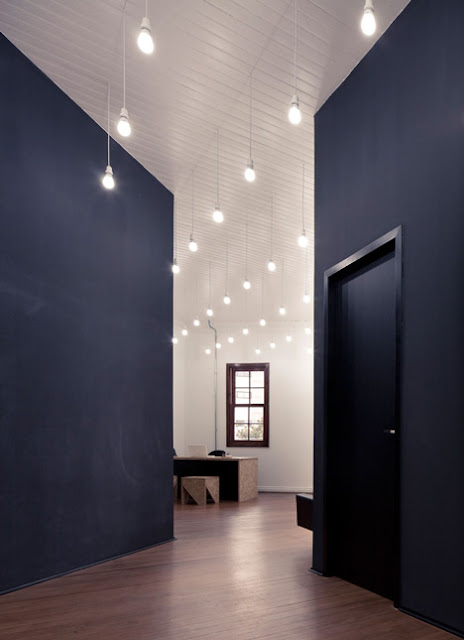
african interiors savannas tropical warm inspired source
To buy canvas fabric duck cloth online, purchasers must select specific textile weights ranging from 7 to 30 ounces per square yard and specify bolt widths between 36 and 72 inches. As of early 2026, managing procurement for wide-format textile printing and industrial manufacturing requires exact material matching. Over the past decade, I have sourced and evaluated thousands of linear yards of industrial textiles. This article covers the physical properties, grading systems, and purchasing logistics of plain-woven cotton duck fabric. Unlike apparel retail sites, this document excludes printed novelty fabrics featuring waterfowl designs.
Below is the immediate purchasing specification matrix for rapid material sourcing.
Cotton duck cloth is a heavy, plain-woven cotton textile distinguished by its tightly packed yarns. Standard canvas features a looser, more open weave. Duck fabric utilizes two plied yarns in the warp (vertical) and a single yarn in the weft (horizontal). This tight yarn count blocks wind, resists snagging, and limits water penetration.
The classification originates from the Dutch word doek. This translates to linen canvas. 17th-century sailors originally utilized this dense material for sea apparel.
Tightly woven cotton duck yields a higher tear resistance than open-weave canvas. Industry testing validates this structural advantage. A Number 8 duck canvas regularly exceeds 200 lbs of tensile strength when subjected to the ASTM D5034 (Grab Breaking Load) test. The tight weave provides a smooth surface, holding high-resolution ink retention for textile printing without bleeding.
How Are Duck Canvas Weights Categorized: Ounces vs. Numbered System?Textile manufacturers categorize duck canvas using two distinct measurement systems: the single-fill ounce weight system and the double-fill numbered system. Fabric weight depends on a square yard of material.
The single-fill system uses one yarn in both the warp and the weft. Retailers sell this by its direct weight per square yard. Lightweight 7-ounce to 10-ounce single-fill fabrics provide flexibility.
The numbered duck system applies to heavy, double-fill fabrics utilizing plied yarns. A lower number designates a heavier, thicker textile. Consequently, a Number 12 duck weighs 11.5 ounces, while a Number 1 duck weighs 30 ounces per square yard. Heavy grades undergo the ASTM D1424 (Elmendorf Tearing Strength) test to quantify resistance against sudden puncturing.
Selecting the correct textile weight dictates the structural integrity of the fabricated item. You risk needle breakage and motor burnout if you attempt to sew Number 4 duck on a standard domestic sewing machine.
Event organizers utilize heavy 10-ounce wide-width duck canvas as the base material for step and repeat banners. The weight prevents the banner from curling under tension. Conversely, apparel manufacturers select 7-ounce duck for chore coats, prioritizing flexibility over rigid tensile strength.
Sourcing Wholesale Duck Cloth RollsPurchasing full rolls requires understanding the selvedge edge. The selvedge edge prevents the fabric from unraveling on the bolt during transit. Wholesale suppliers ship these rolls in continuous yards. Fabricating massive items like circus tents demands 100-yard continuous rolls to minimize weak structural seams.
Purchasing Bulk Canvas Fabric by the YardCalculating accurate yardage requires matching pattern dimensions against fixed bolt widths. Unbleached, greige goods (raw loom-state fabric) contract upon initial laundering. Buyers must use an exact mathematical formula to calculate shrinkage for 100% cotton prior to fabrication.
Identify the finished length: Determine the exact measurement of the final manufactured product.
Apply the warp shrinkage formula: Multiply the required finished length by 1.15. This accommodates a 15% maximum warp shrinkage typical of untreated 100% cotton.
Verify continuous cuts: Specify "continuous yardage" on the purchase order to prevent the supplier from shipping fragmented scrap pieces.
Raw, loom-state cotton duck represents the base material. Manufacturers apply chemical treatments to alter its performance in specific environments. You will degrade the material rapidly if you deploy untreated cotton in high-moisture outdoor settings without a protective barrier.
Natural/Unbleached: Retains the raw, off-white color of the cotton boll. Manufacturers use this strictly for custom dyeing or priming.
Primed: Features an acrylic gesso coating. This barrier prevents oil paint from rotting the natural cotton fibers over time.
Waxed: Integrates a paraffin or beeswax blend. This creates a highly water-resistant and windproof barrier for outdoor gear.
Sunforger: Employs a specific chemical bath. This resists UV degradation, water penetration, and mildew growth on boat covers and yurts.
Fire Retardant (FR): Meets National Fire Protection Association (NFPA) 701 standards. The fabric self-extinguishes upon flame removal, mandated for commercial event drapery.
Purchasers seeking to acquire duck cloth online must align material specifications directly with application requirements. Sourcing platforms structure their inventory around the single-fill ounce weight (7oz to 12oz) and the double-fill numbered system (#12 to #1). Selection relies entirely on matching the physical thickness and width (ranging from 36" to 72") to the required tensile strength of the end product. Treated finishes alter the chemical behavior of the base cotton. Buyers must specify treatments like Sunforger for marine environments or NFPA 701 certification for commercial indoor installations.
Key Takeaways for Textile Sourcing:
Weight determines application: Lightweight (7oz) suits apparel, medium-weight (10oz) fits bags, and heavy-weight (#8) constructs industrial covers.
Measurement defines cost: Inventory prices reflect the linear yard, keeping the bolt width fixed.
Raw cotton shrinks: Unbleached, greige goods contract by up to 15% upon initial laundering, requiring buyers to multiply required yardage by 1.15.
Coatings change properties: Waxed, primed, and fire-retardant treatments modify the fabric's breathability and flexibility for specialized environments.
Order exact yardage for your project directly through wholesale textile suppliers. Access extensive inventories of Canvas Duck Cloth Fabric by the Yard to view specific technical specifications, or read more about material matching in our technical Canvas Fabric Buyer's Guides.
decoholic
decor bohemian folk kitchen lifestyle rustic escape

